
Traveling to Rabat for Urological Surgery from Africa: How to Prepare Your Journey
Traveling to Morocco for specialized urology? Practical guidance on medical record review, travel logistics, caregiver support, and remote follow-up.
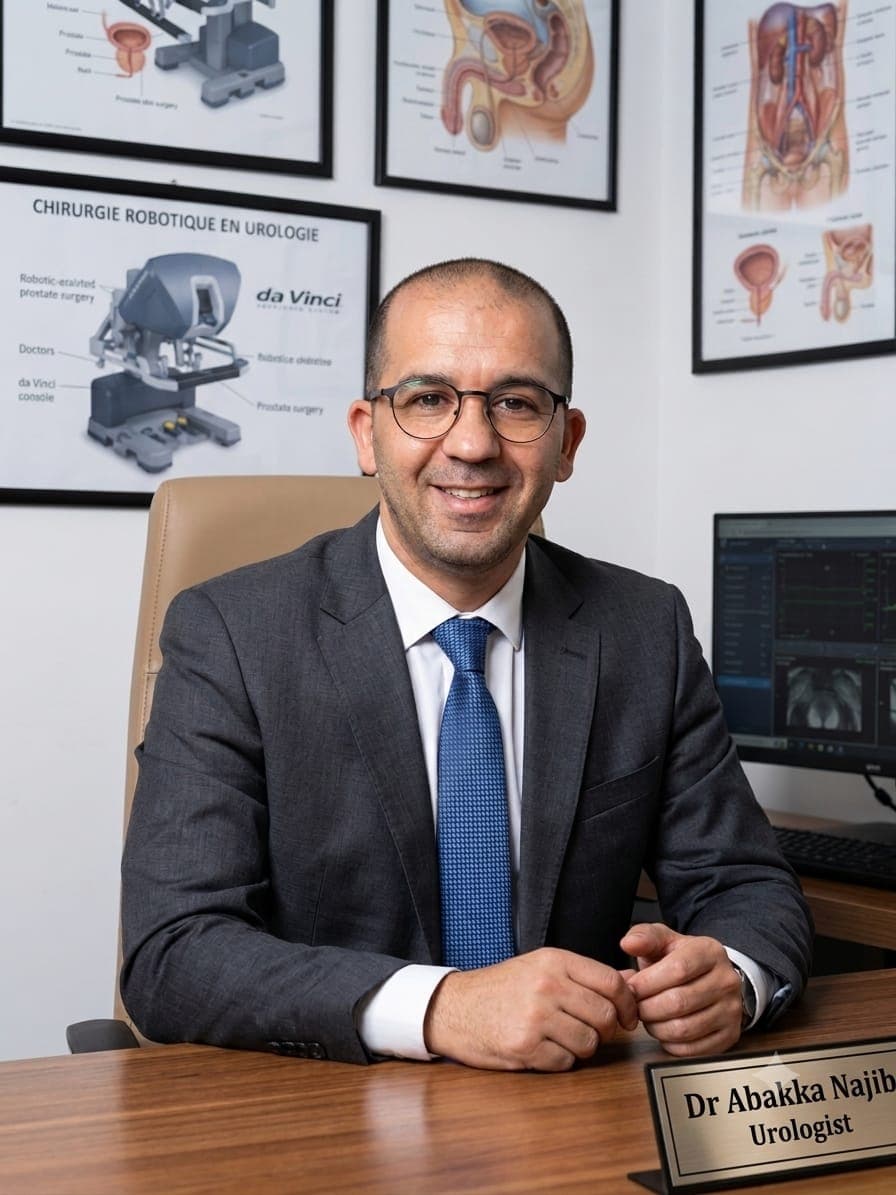
Dr Najib Abakka
Urological Surgeon in Rabat
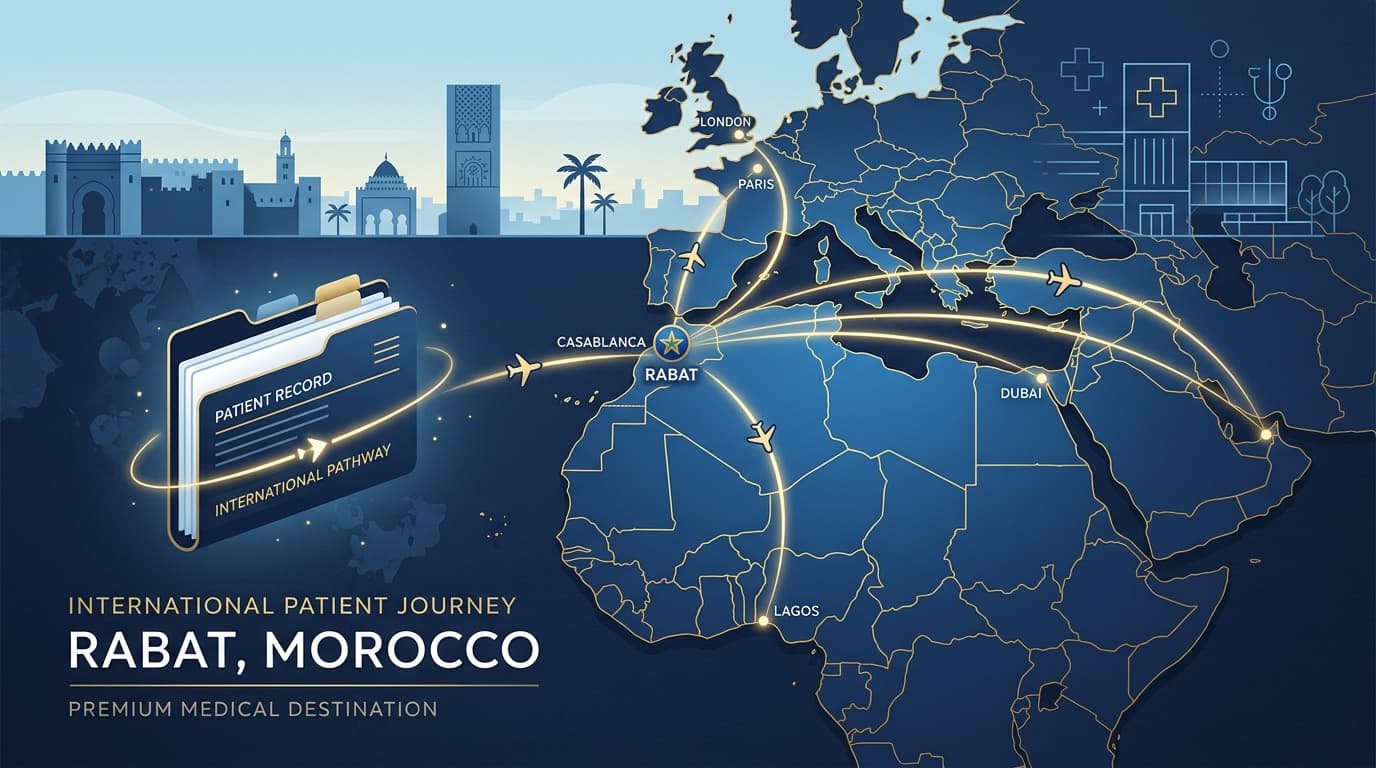
Organisation coordonnée du séjour médical, de l'intervention et du suivi à distance
Step 1 - Assemble an actionable medical file
Begin with a structured medical summary: age, primary urological complaint, symptom duration, previous treatments, surgeries, chronic comorbidities, and current prescriptions. Include all diagnostic reports: serial PSA values, multiparametric MRI, contrast CT scans, biopsy pathology slides or reports, urine analyses, and prior operative notes.
High-resolution DICOM files on CD/USB or via cloud transfer are far superior to compressed smartphone photos of paper reports.
Step 2 - Secure clinical guidance before booking flights
Before purchasing flight tickets, ascertain whether travel is immediately justified or if prior baseline investigations should be conducted locally first. A remote teleconsultation or dossier review clarifies timelines and provides an estimated length of stay in Rabat.
Step 3 - Plan for a family member or caregiver
Undergoing major or minimally invasive surgery without a support companion complicates post-operative logistics, pharmacy pickups, and clinic transfers. Having an accompanying relative enhances post-operative safety and peace of mind.
Step 4 - Hospital discharge does not mean immediate flight clearance
Being medically cleared to leave Clinique La Capitale is distinct from fitness to embark on a flight. Deep vein thrombosis risk, catheter management, and surgical wound monitoring dictate a safe waiting interval before air travel.
Visa and entry requirements for the Kingdom of Morocco depend on nationality and should be verified directly with Moroccan consular services or official travel portals.
Step 5 - Coordinate follow-up care in your home country
Prior to departure from Rabat, receive detailed bilingual discharge instructions: medications, wound care, catheter removal schedules, red-flag symptoms requiring urgent review, and a remote follow-up timeline for future lab results.
Frequently asked questions
How many days should an international patient anticipate in Rabat?
Duration varies from 3-5 days for outpatient/endoscopic treatments to 10-14 days for major oncology or robotic operations including safe flight clearance.
Can I transmit my records before traveling?
Yes, early dossier transmission is strongly advised to verify clinical feasibility and organize operating theater scheduling.
Is having an accompanying relative mandatory?
While not strictly mandatory, having an accompanying relative is strongly recommended for surgical admissions to ensure optimal post-operative support.
Related guides & articles
Browse all articles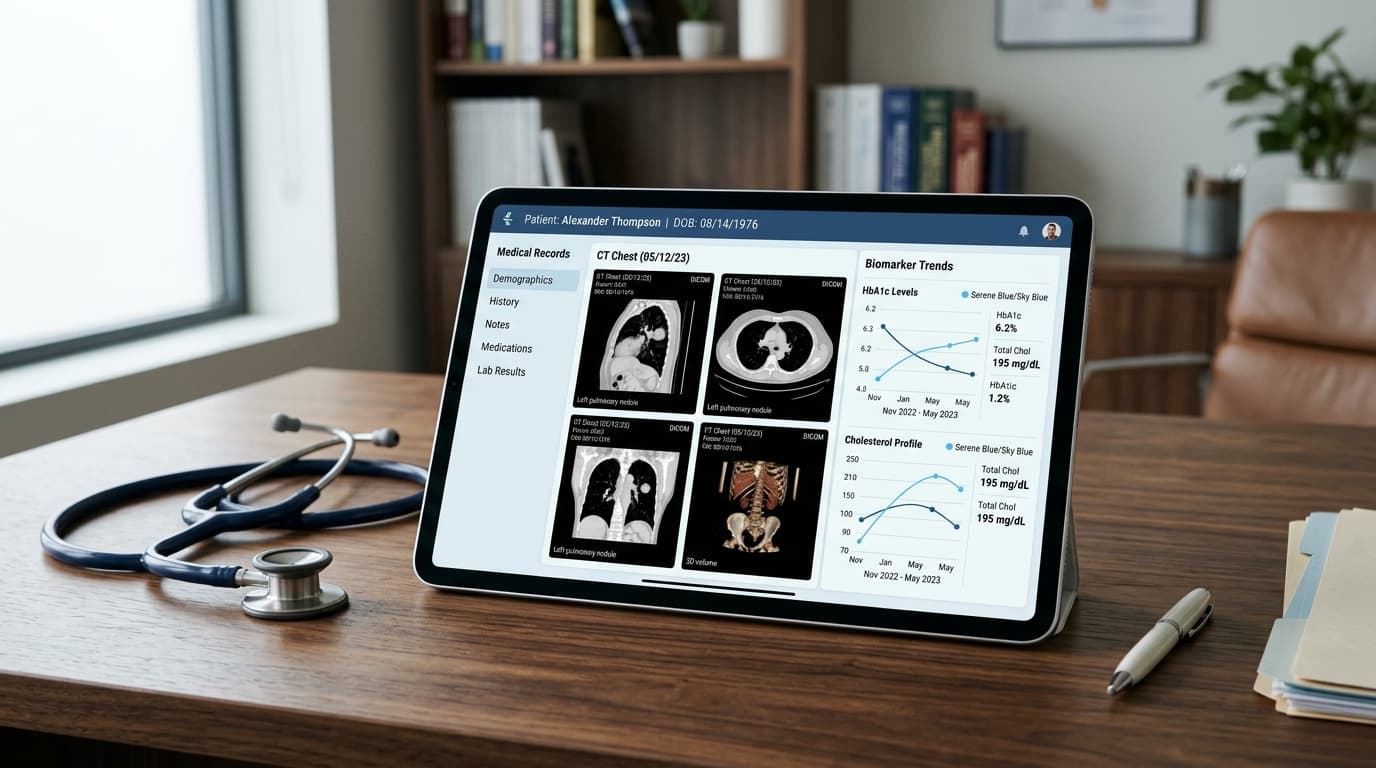
Remote Urological Second Opinion: Which Medical Records to Provide Before Traveling to Morocco?
PSA, pelvic MRI, biopsy histology, CT scans: the essential checklist for requesting a second medical opinion from Rabat.
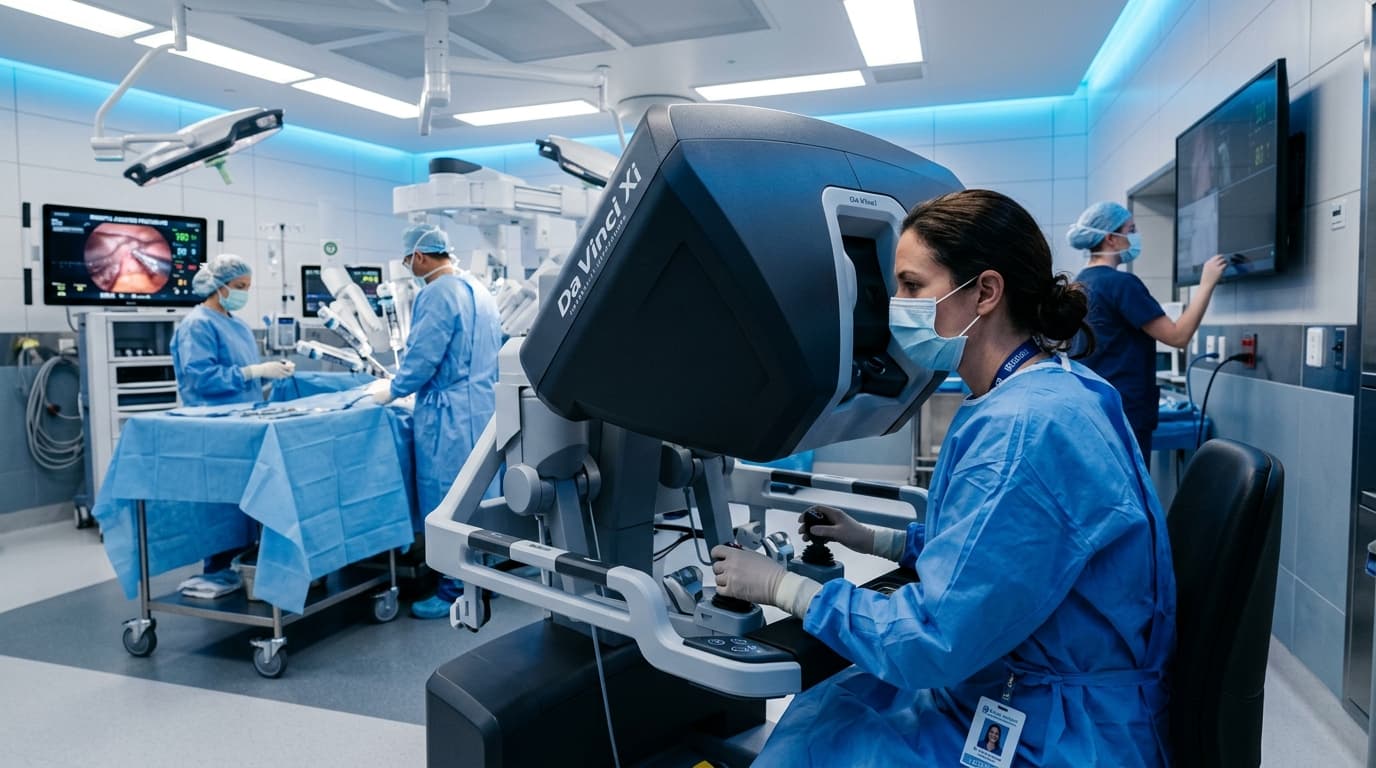
Robotic Surgery in Urology in Rabat: What Patients Should Know Before Deciding
Understand robot-assisted urological surgery, its clinical indications, limits, and essential questions to ask before deciding.
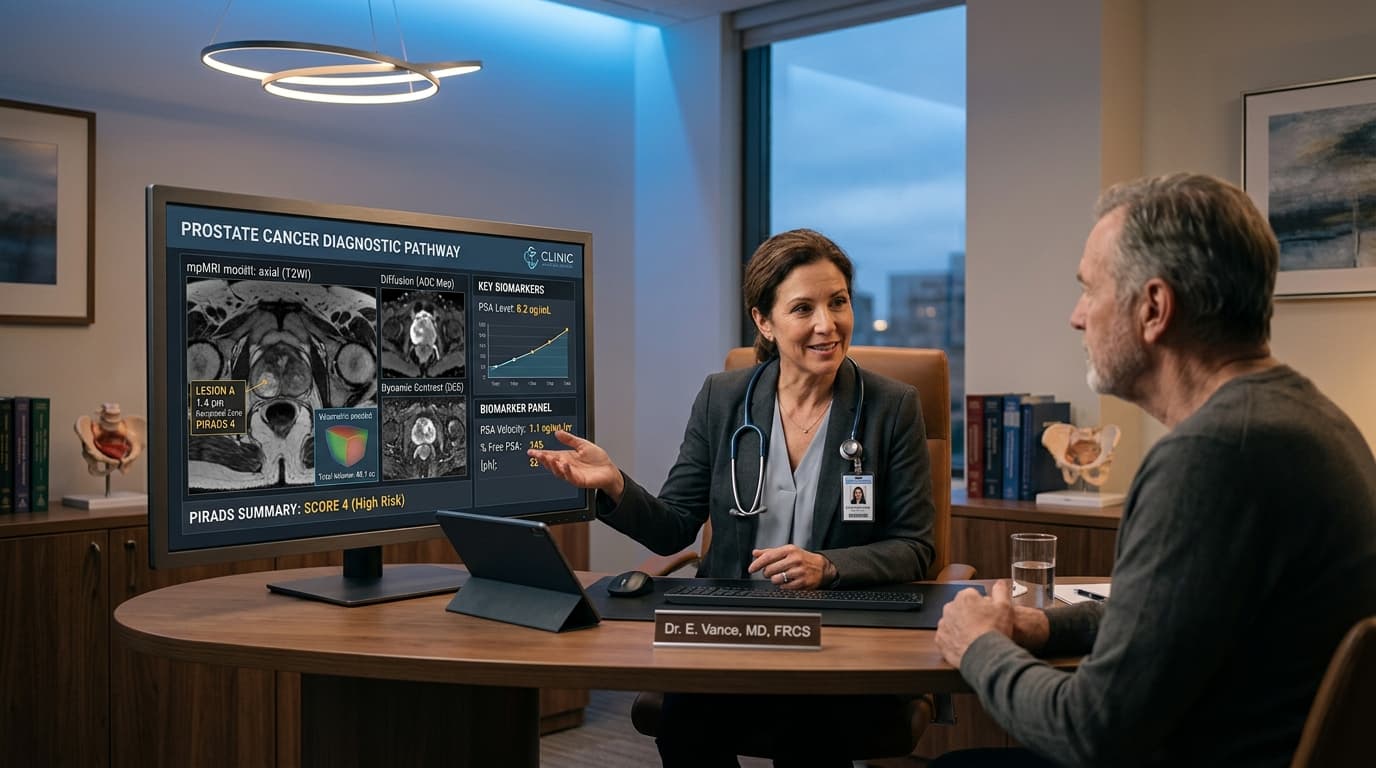
Prostate Cancer: From PSA to MRI, Understanding the Diagnostic Pathway Before Discussing Surgery
An elevated PSA does not automatically mean cancer. Learn how PSA, clinical exam, multiparametric MRI, and targeted biopsy fit together.