
Robotic Surgery in Urology in Rabat: What Patients Should Know Before Deciding
Understand robot-assisted urological surgery, its clinical indications, limits, and essential questions to ask before deciding.
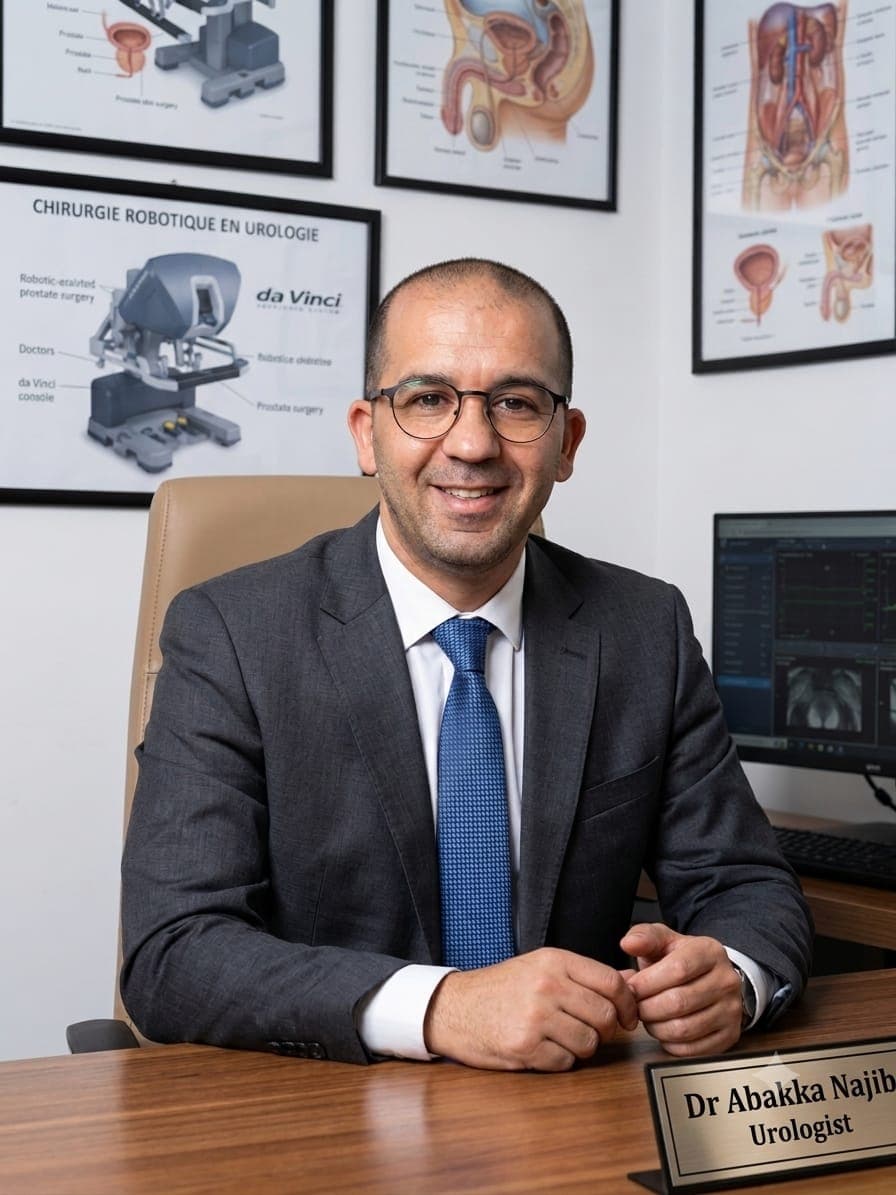
Dr Najib Abakka
Urological Surgeon in Rabat
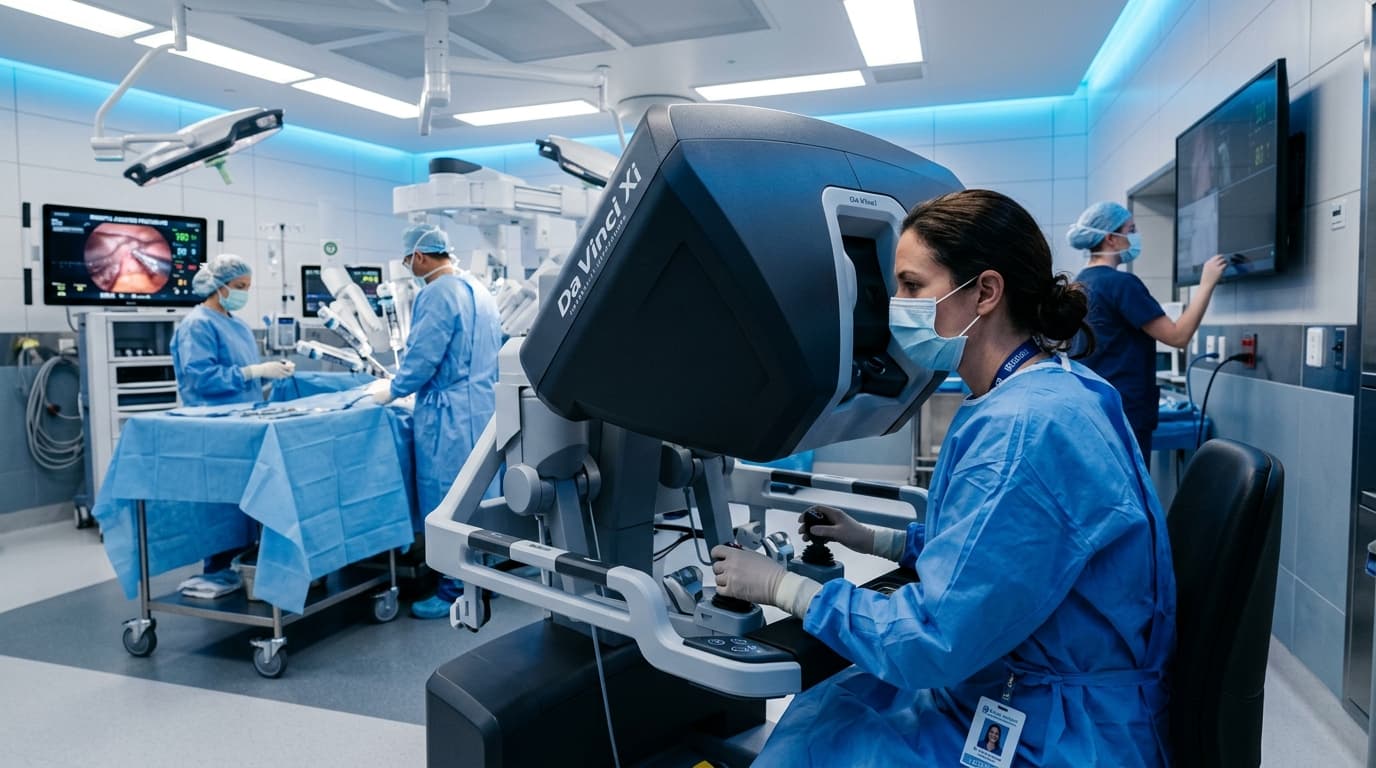
Console chirurgien et système robot-assisté de haute précision
When is robotic surgery considered in urology?
In urology, robotic assistance is evaluated for select conditions affecting the prostate, kidneys, and urinary reconstruction. At Dr. Najib Abakka's clinic, it is considered as one tailored option among others, decided after a thorough clinical workup. A modern technique is only valuable if it precisely addresses the patient's individual diagnosis.
For a kidney mass, the goal may be nephron-sparing partial nephrectomy when anatomically feasible. For localized prostate cancer, radical prostatectomy may be indicated. In other situations, active surveillance, endoscopic procedures, laparoscopic surgery, open surgery, or radiation therapy may be more suitable.
What benefits can reasonably be expected?
Depending on the procedure and patient profile, a minimally invasive approach may offer smaller incisions, reduced blood loss, and shorter hospital stays. European urological guidelines highlight potential peri-operative advantages in partial nephrectomy. However, these benefits must never be overstated as automatic guarantees.
For prostate cancer, oncological and functional outcomes depend on tumor stage, anatomy, baseline health, surgical technique, and post-operative follow-up. Continence and erectile recovery cannot be guaranteed solely by using robotic instruments.
Key considerations before making a surgical decision
A comprehensive consultation must answer practical questions: What is my exact indication? What are reasonable alternatives? Why is robotic surgery proposed in my specific situation? What are the individual risks, expected catheter duration, and recovery timeline? How will remote follow-up be coordinated if I travel from abroad?
Healthcare decisions must remain shared. Patients should clearly understand the expected clinical benefit, uncertainties, and procedural limitations.
In Rabat: A care pathway starting well before the operating room
At Dr. Najib Abakka's practice in Hassan, Rabat, the pathway starts with an in-depth analysis of symptoms, medical history, lab results, and diagnostic imaging. When surgical intervention is indicated, procedures are performed at Clinique La Capitale.
For patients traveling from other Moroccan cities or African countries, thorough pre-travel review prevents unnecessary journeys and ensures all required exams are ready beforehand.
Frequently asked questions
Can the surgical robot operate autonomously?
No. The surgeon has direct and continuous control over all instruments throughout the entire procedure. The robot has no autonomous decision-making capacity.
Is robotic surgery always the best option?
No. The choice depends strictly on tumor characteristics, individual anatomy, competing therapeutic alternatives, and general health status.
Can I know in advance if I am an eligible candidate?
A preliminary medical evaluation can be performed based on medical records, but final indication requires an in-person clinical assessment.
Related guides & articles
Browse all articles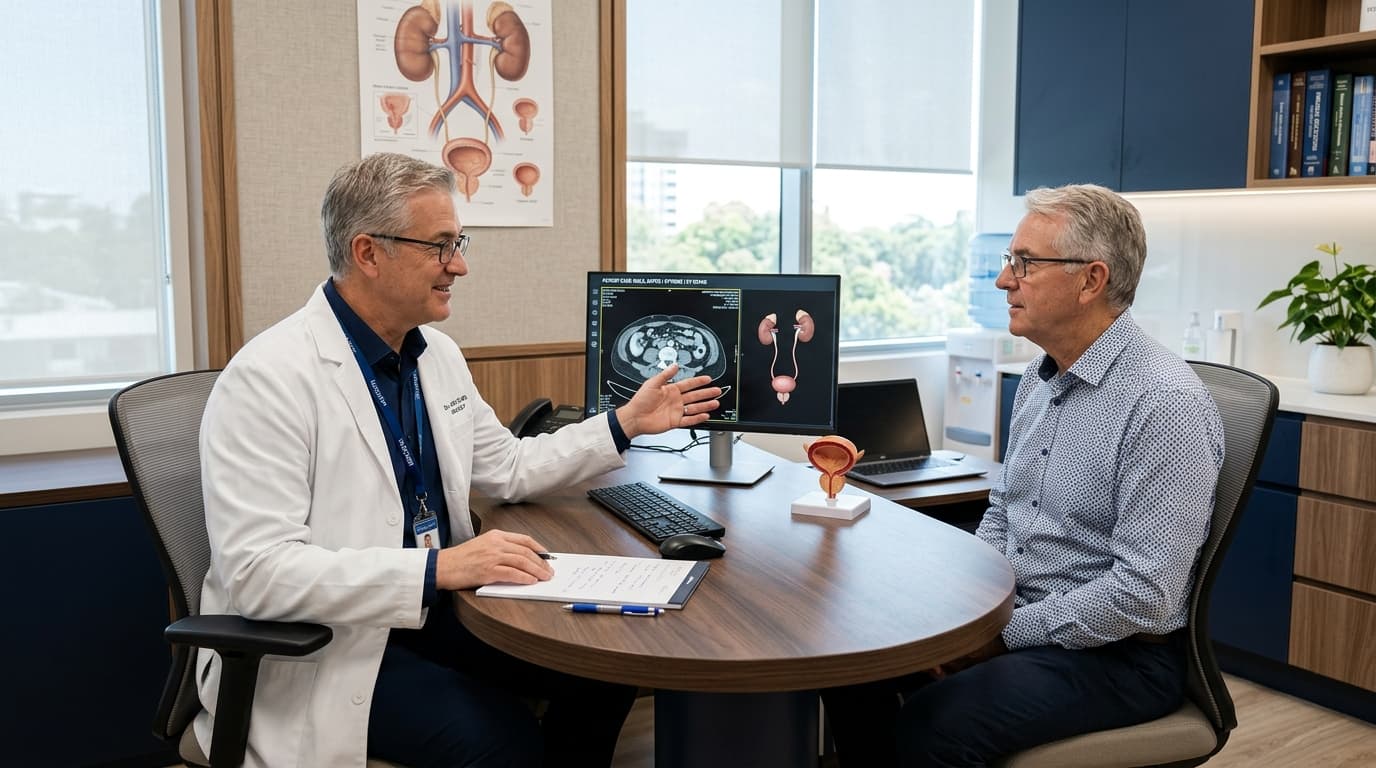
Robot-Assisted Radical Prostatectomy: 12 Essential Questions to Ask Before Surgery
Facing prostatectomy? Here are 12 vital questions concerning surgical indication, nerve sparing, continence, erectile function, and follow-up.

Prostate Cancer: From PSA to MRI, Understanding the Diagnostic Pathway Before Discussing Surgery
An elevated PSA does not automatically mean cancer. Learn how PSA, clinical exam, multiparametric MRI, and targeted biopsy fit together.
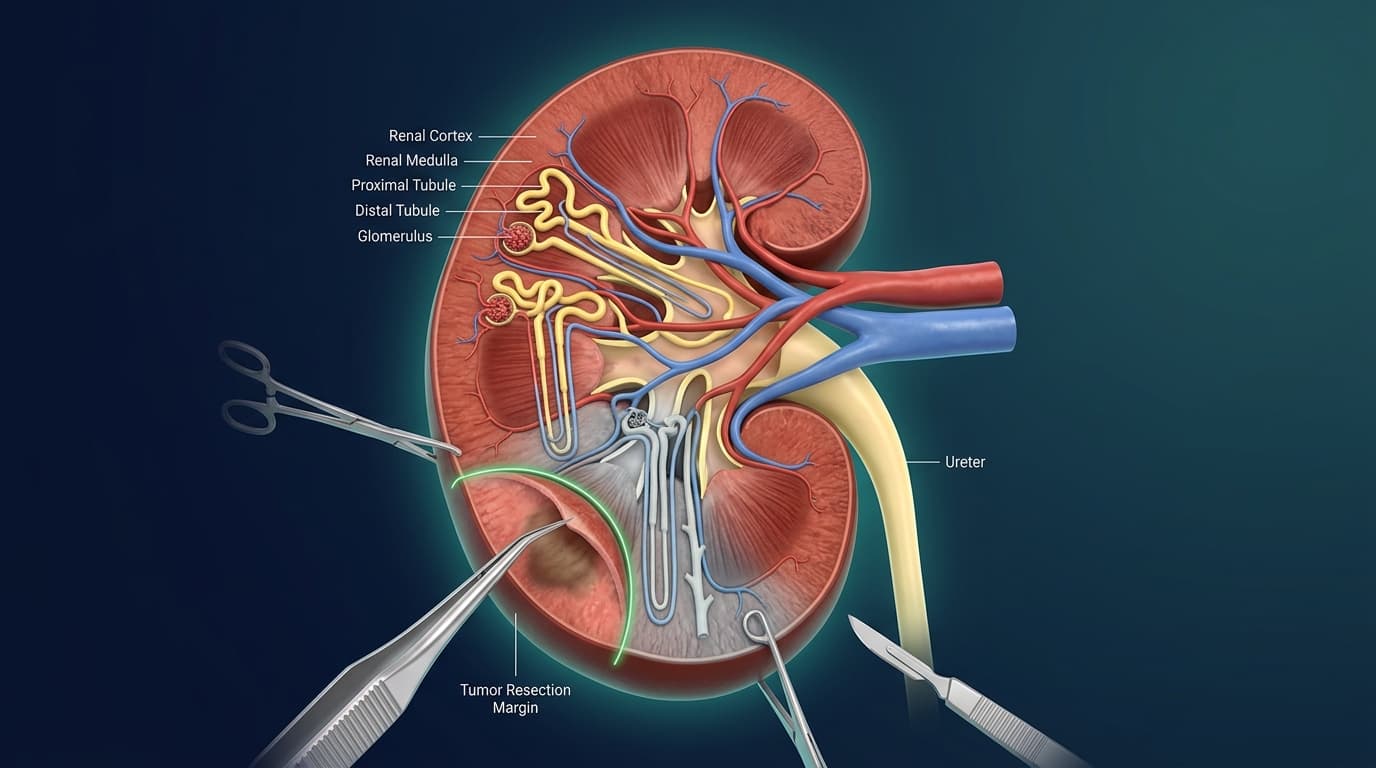
Kidney Cancer: When Can Partial Nephrectomy Preserve the Healthy Kidney?
When can a renal mass be removed while saving the remainder of the kidney? Clinical indications, renal function preservation, and minimally invasive options.