
Blood in the Urine (Hematuria): Why You Should Never Wait, Even Without Pain
Hematuria may signal infection, stones, or bladder/kidney conditions. Learn why prompt urological evaluation is critical even without pain.

Dr Najib Abakka
Urological Surgeon in Rabat
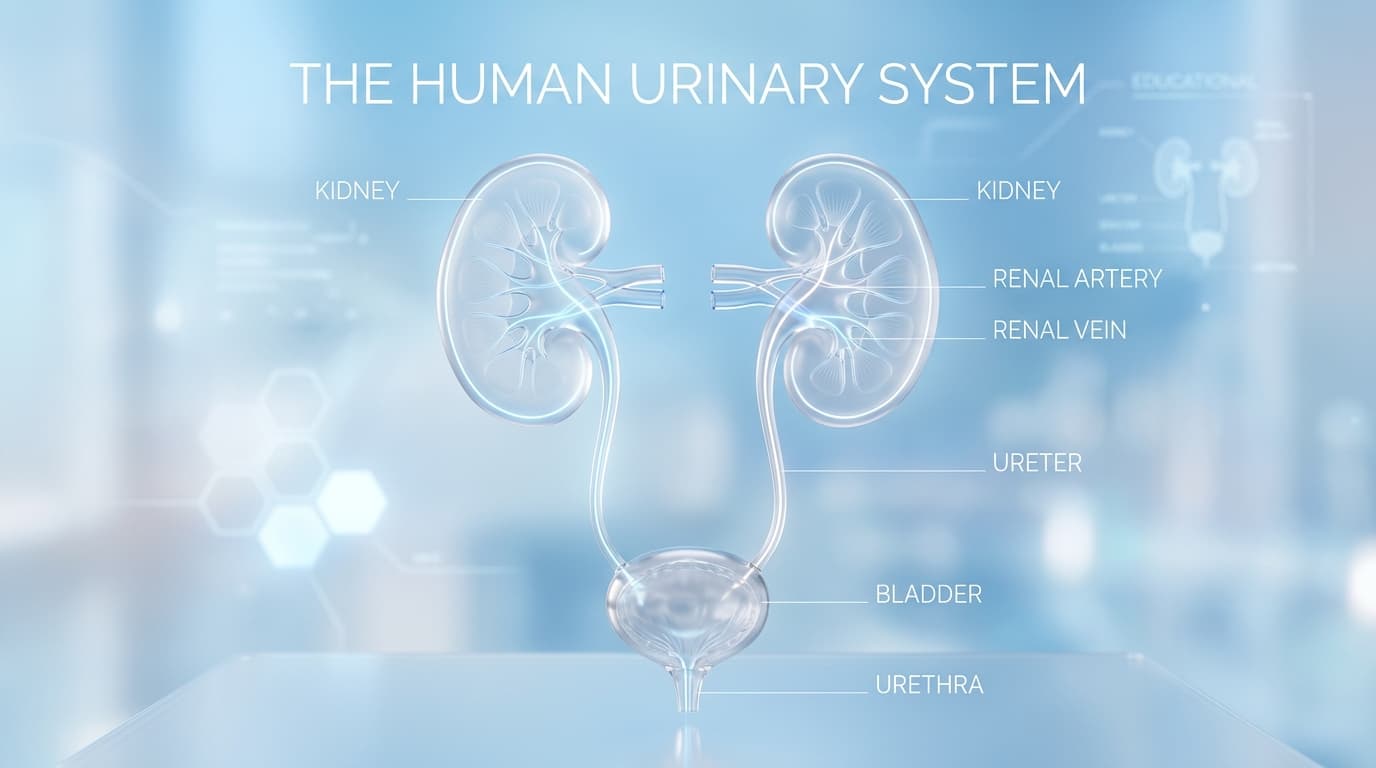
Bilan urologique rigoureux devant toute hématurie macroscopique, même indolore
A single episode warrants thorough medical investigation
Clinical guidelines and international patient resources emphasize a fundamental rule: visible blood in the urine must be thoroughly investigated, even if it happens only once, even if the amount seems negligible, and even if it ceases spontaneously.
The clearing of urine color does not indicate resolution of the underlying cause. Many urinary pathologies, including urothelial tumors, bleed intermittently.
What are the potential underlying causes?
A urinary tract infection can cause burning, frequency, and sometimes hematuria. A calculus can irritate the urinary tract lining, accompanied by severe flank pain. Benign prostatic hyperplasia (BPH) can also cause bleeding. Tumors of the bladder, kidneys, or upper urinary tract must be systematically ruled out according to age and risk factors (notably smoking).
Anticoagulant or antiplatelet therapy does not solely explain hematuria. While medication facilitates bleeding, a formal urological workup remains mandatory to detect the actual bleeding source.
What does an urological evaluation involve?
Evaluation begins with a thorough medical history: macroscopic urine color, presence of clots, pain, fever, smoking history, medications, and prior stone or malignancy history. Laboratory testing includes urinalysis and renal function blood panels. Cross-sectional imaging (ultrasound or CT urogram) is routinely indicated.
When direct bladder visualization is warranted, flexible cystoscopy is performed. EAU guidelines reiterate that in cases of suspected urothelial neoplasm, cystoscopy remains the definitive gold standard that cannot be substituted by non-invasive urine tests alone.
When is emergency medical attention required?
Massive bleeding with large blood clots causing inability to urinate (acute urinary retention), severe intractable flank pain, high fever, or hemodynamic instability requires immediate emergency care. For international patients or those traveling to Rabat, urgent hospital care should be sought locally without delaying for scheduled travel.
Our editorial guidance is designed to alert patients to symptoms requiring prompt attention, never to postpone urgent emergency interventions.
Frequently asked questions
If the bleeding stops on its own, can I wait?
Medical guidelines strongly advise an urological workup for any visible hematuria, even after spontaneous resolution.
Is urinary infection the most probable cause?
While common, infection is far from the only cause. Clinical examination, imaging, and lab testing are needed to establish the true diagnosis.
Does blood in the urine automatically mean cancer?
No. Many causes are benign (such as stones, urinary tract infections, or BPH), but serious urothelial or renal pathologies must be rigorously ruled out.
Related guides & articles
Browse all articles
Robotic Surgery in Urology in Rabat: What Patients Should Know Before Deciding
Understand robot-assisted urological surgery, its clinical indications, limits, and essential questions to ask before deciding.

Prostate Cancer: From PSA to MRI, Understanding the Diagnostic Pathway Before Discussing Surgery
An elevated PSA does not automatically mean cancer. Learn how PSA, clinical exam, multiparametric MRI, and targeted biopsy fit together.

Robot-Assisted Radical Prostatectomy: 12 Essential Questions to Ask Before Surgery
Facing prostatectomy? Here are 12 vital questions concerning surgical indication, nerve sparing, continence, erectile function, and follow-up.