
Robot-Assisted Radical Prostatectomy: 12 Essential Questions to Ask Before Surgery
Facing prostatectomy? Here are 12 vital questions concerning surgical indication, nerve sparing, continence, erectile function, and follow-up.
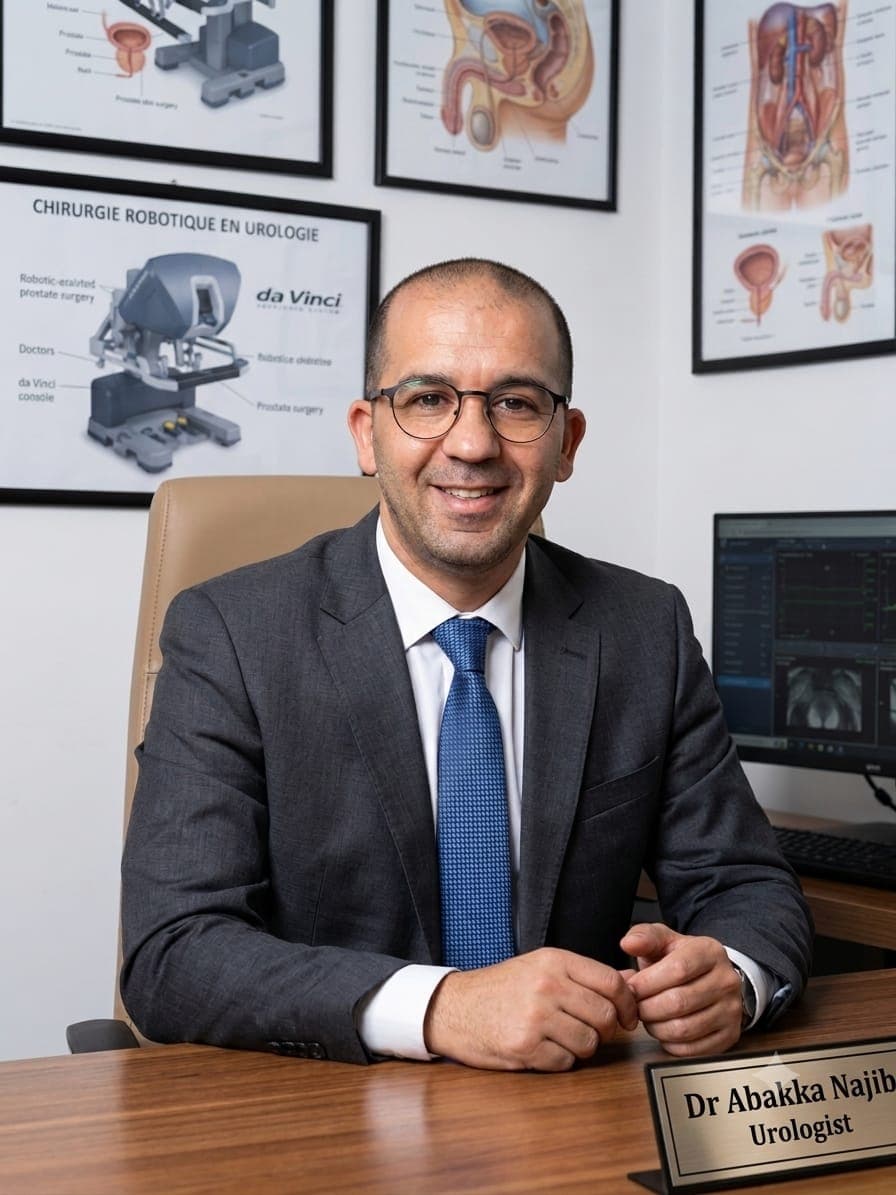
Dr Najib Abakka
Urological Surgeon in Rabat
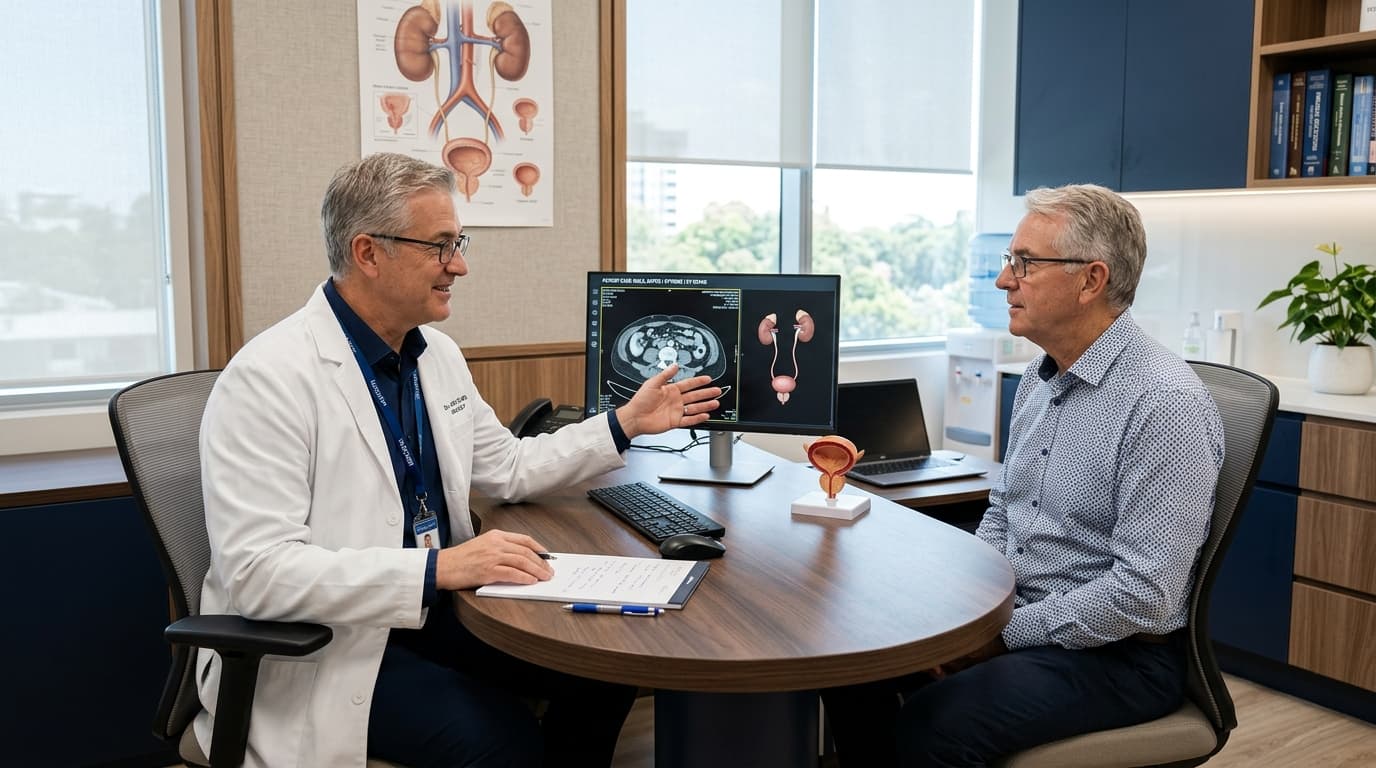
Dialogue médical préopératoire approfondi entre le chirurgien urologue et le patient
1 to 4 - Understanding why surgical removal is recommended
1. What is my exact risk group and clinical stage? Request clear explanations of your PSA kinetics, mpMRI, biopsy grade (Gleason/ISUP), and staging scans.
2. Why is surgery the chosen approach for me? Radical prostatectomy is not the only valid strategy; depending on risk and life expectancy, active surveillance, radiation, or brachytherapy may exist.
3. Why robotic approach instead of conventional laparoscopy or open surgery? Your surgeon should outline concrete benefits for your anatomy without unrealistic promises.
4. Can neurovascular bundles be spared? Nerve-sparing feasibility depends on tumor location and capsule extension; oncological cure remains the supreme priority.
5 to 8 - Anticipating post-operative recovery
5. How long will the urinary catheter remain in place? Duration varies according to technical complexity, anastomotic healing, and clinical progress.
6. When can I walk, travel, drive, and resume normal work? For international patients, discharge from the clinic does not mean immediate clearance for long-haul flights.
7. What is the rehabilitation protocol for urinary continence? Temporary post-operative leakage is common; pelvic floor physical therapy often forms an integral component of recovery.
8. What is the plan for sexual rehabilitation? Erectile recovery depends on baseline function, age, nerve-sparing status, and structured post-operative protocol.
9 to 12 - Clinical safety, pathology, and long-term surveillance
9. What specific risks apply to my health profile? Bleeding, infection, lymphatic leaks, anesthetic risks, and urinary or sexual changes should be clearly reviewed.
10. When will final surgical pathology results arrive? Microscopic examination of the prostate specimen defines the final pathological stage, margin status, and lymph node assessment.
11. When will the first post-operative PSA test be performed? Ultra-sensitive PSA follow-up adheres to a rigorous schedule established by your care team.
12. How is remote surveillance structured if I live abroad? Clarify how lab results will be transmitted and what symptoms necessitate immediate local medical review.
The bonus question: 'What finding would change your recommendation?'
This question reveals the clinical decision logic. An optimal surgical strategy is not rigid: it is evidence-based. If new imaging or biopsy data emerge, the strategy must adapt accordingly.
Frequently asked questions
Does the robotic system guarantee complete urinary continence?
No surgical technique can guarantee a 100% functional outcome. While robotic 3D magnification aids sphincter preservation, recovery depends on age, anatomy, and pelvic floor rehabilitation.
Can an international patient fly home immediately upon hospital discharge?
No. Travel readiness requires formal clearance to minimize thromboembolic and post-surgical complications.
Is the final prostate cancer stage known prior to the operation?
Pre-operative biopsies provide a clinical estimate, but complete histological examination of the resected prostate provides the definitive pathological stage and margin status.
Related guides & articles
Browse all articles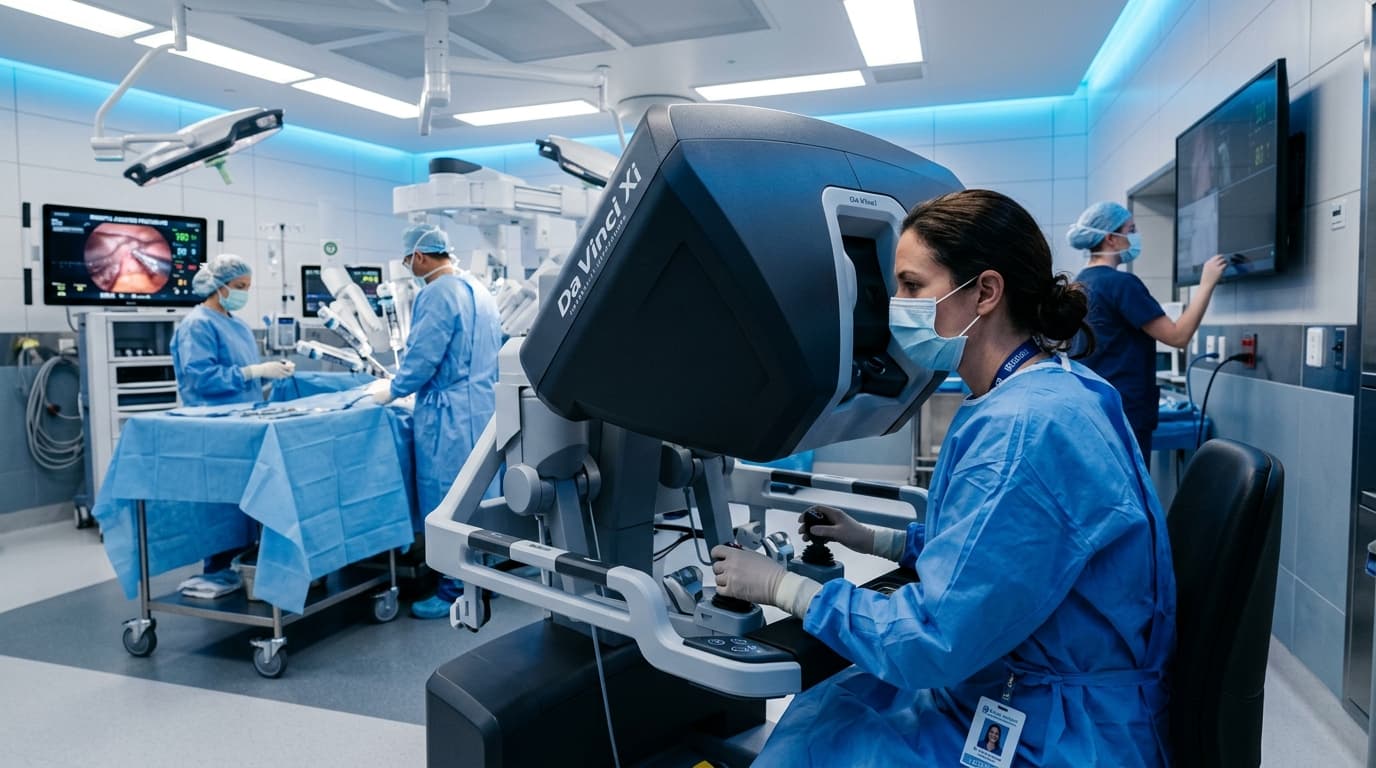
Robotic Surgery in Urology in Rabat: What Patients Should Know Before Deciding
Understand robot-assisted urological surgery, its clinical indications, limits, and essential questions to ask before deciding.

Prostate Cancer: From PSA to MRI, Understanding the Diagnostic Pathway Before Discussing Surgery
An elevated PSA does not automatically mean cancer. Learn how PSA, clinical exam, multiparametric MRI, and targeted biopsy fit together.
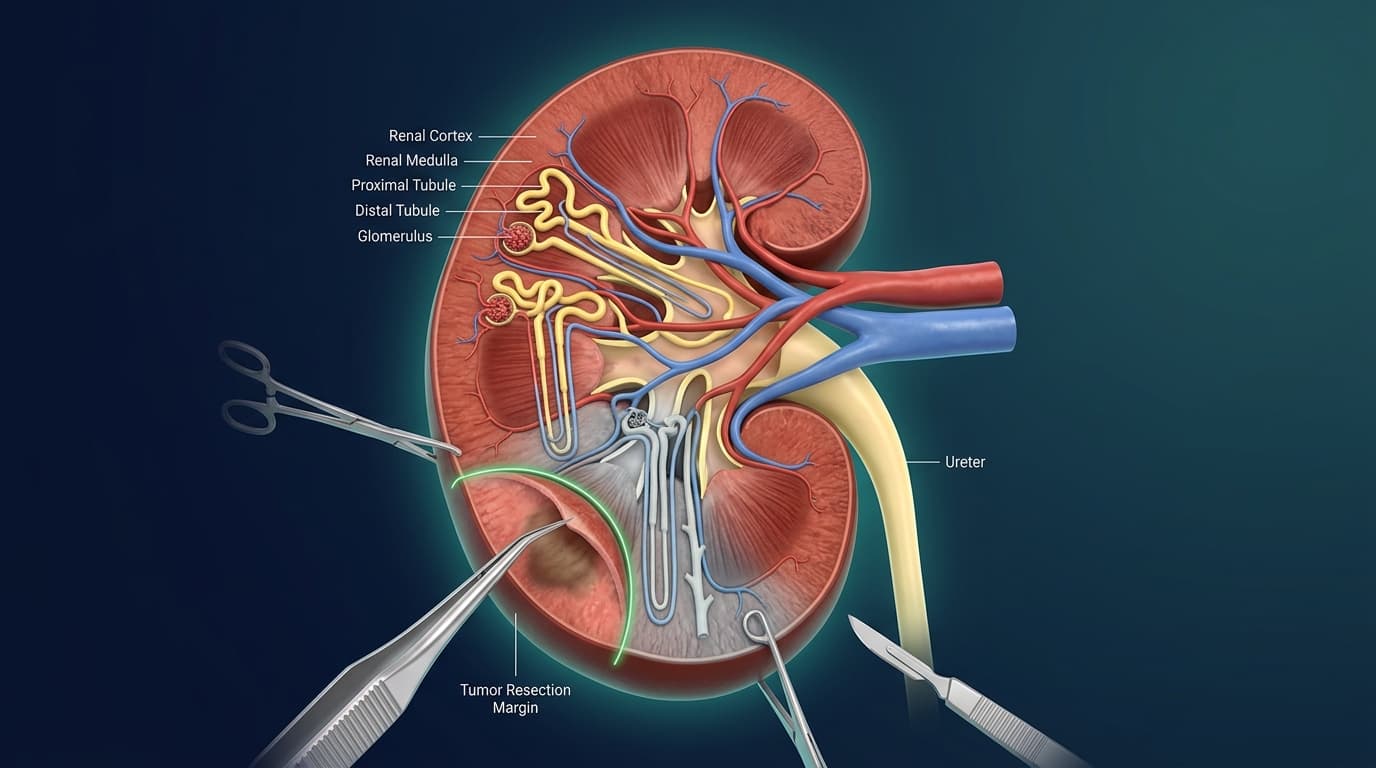
Kidney Cancer: When Can Partial Nephrectomy Preserve the Healthy Kidney?
When can a renal mass be removed while saving the remainder of the kidney? Clinical indications, renal function preservation, and minimally invasive options.